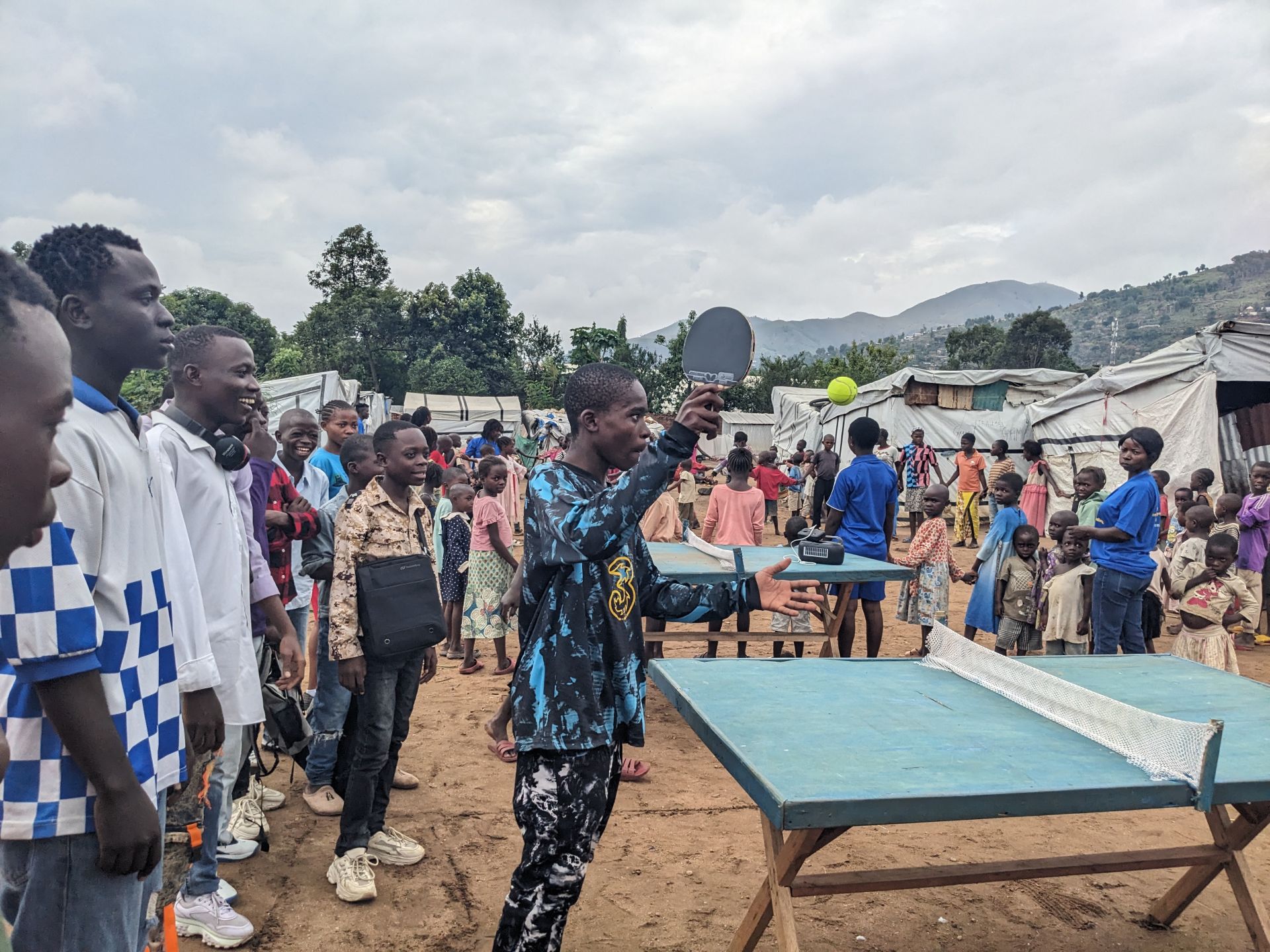
From healing and community engagement to collective dialogue and a shared vision for peace, Healing for Peace is creating opportunities for internally displaced young women and girls, civil society organisations and public stakeholders to work together towards a more peaceful future in Uvira, South Kivu.
When healing becomes part of peacebuilding
In Uvira, where conflict and displacement have affected people and communities in many ways, building peace requires more than responding to immediate tensions. It also requires opportunities for people to heal, rebuild trust, listen to one another and participate in shaping their shared future.
This is the starting point of Healing for Peace (H4P).
Through H4P, we connect trauma-informed community support with collective leadership, community engagement and structured dialogue. The process brings together internally displaced young women and girls, civil society organisations, youth representatives and public stakeholders to explore how their experiences, knowledge and capacities can contribute to peacebuilding. Our approach recognises that communities are not simply recipients of support. They are essential actors in identifying challenges, shaping solutions and leading change.
Building relationships across different experiences
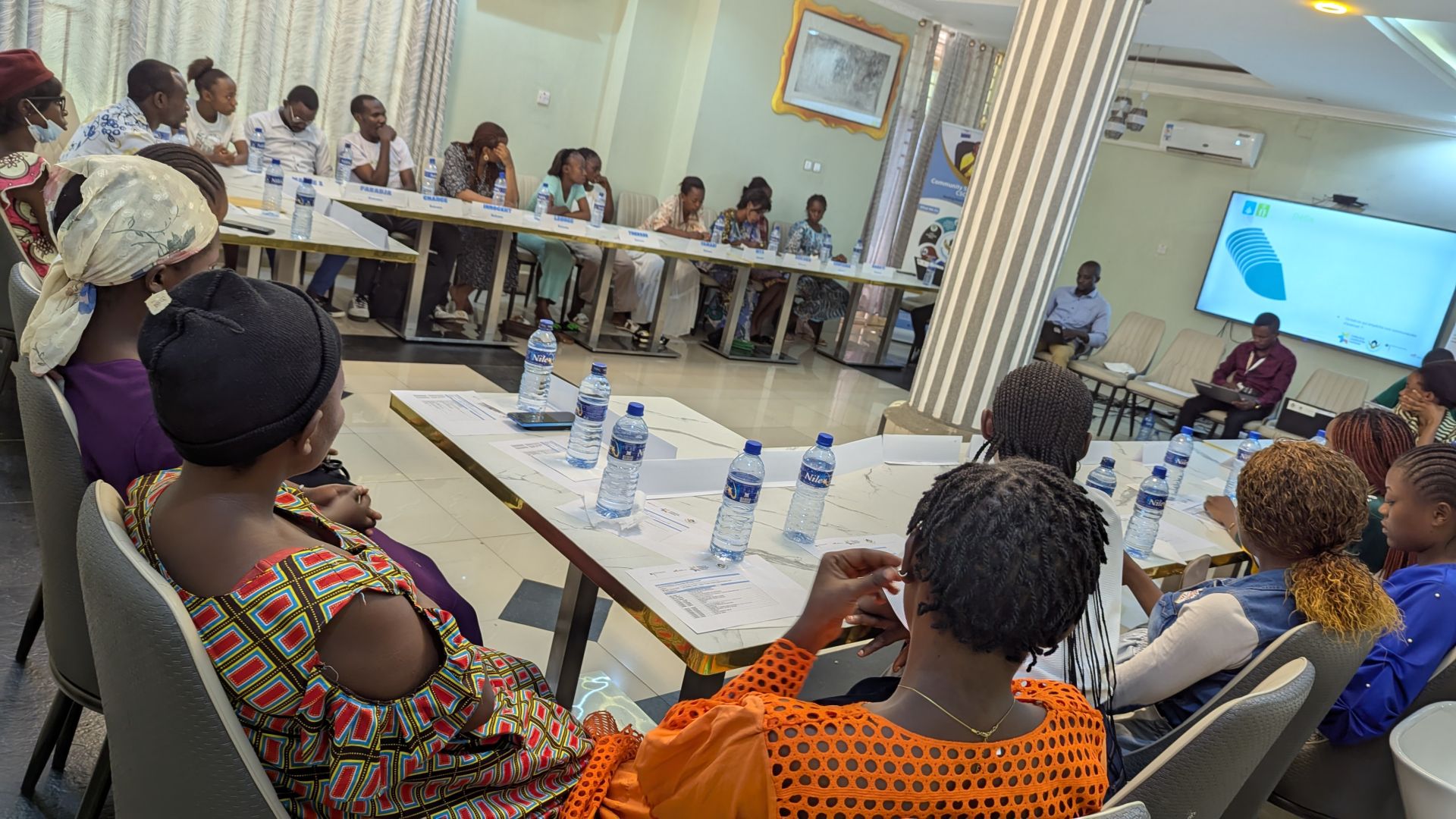
H4P creates space for people with different experiences and responsibilities to meet, listen and identify common concerns. For internally displaced young women and girls, this means creating opportunities for their voices and experiences to contribute to wider conversations about peace. For civil society organisations, youth representatives and public stakeholders, it means strengthening collaboration and recognising the value of community-led initiatives. The purpose is not simply to bring people into the same room. It is to create conditions where people can better understand one another and explore what they can do together.
Six dialogue sessions in Uvira
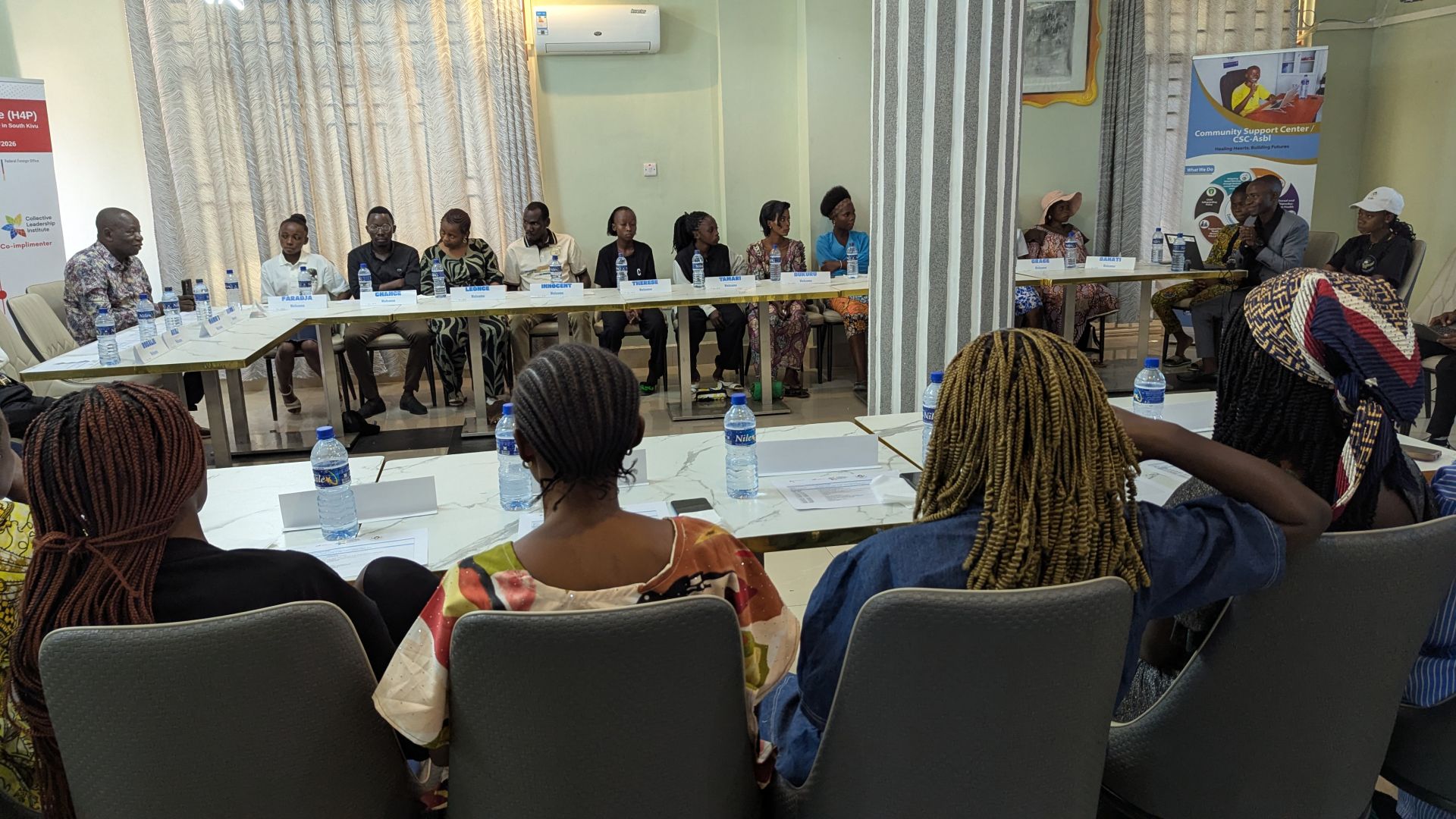
From 23 to 29 June 2026, six structured multi-stakeholder dialogue sessions were held in Uvira. The sessions explored collective vision, healing and resilience, trust and social cohesion, collective leadership, the community peace ecosystem and future commitments.
The opening session was attended by Mr. Kifara Kapenda Kiky, Deputy Mayor of Uvira. During the exchange, he shared a local proverb:
“Even a small drummer, regardless of their size, can make the elders dance.”
The message reflected an important principle of collective leadership: meaningful change does not depend only on the most powerful voices. Young people, displaced women and girls, civil society organisations and public authorities all have a role to play.
From dialogue to a community initiative
One important outcome of the process was the collective refinement and endorsement of the Community Initiative for Healing, Social Cohesion and Leadership for Peace. The initiative brings together four interconnected areas:
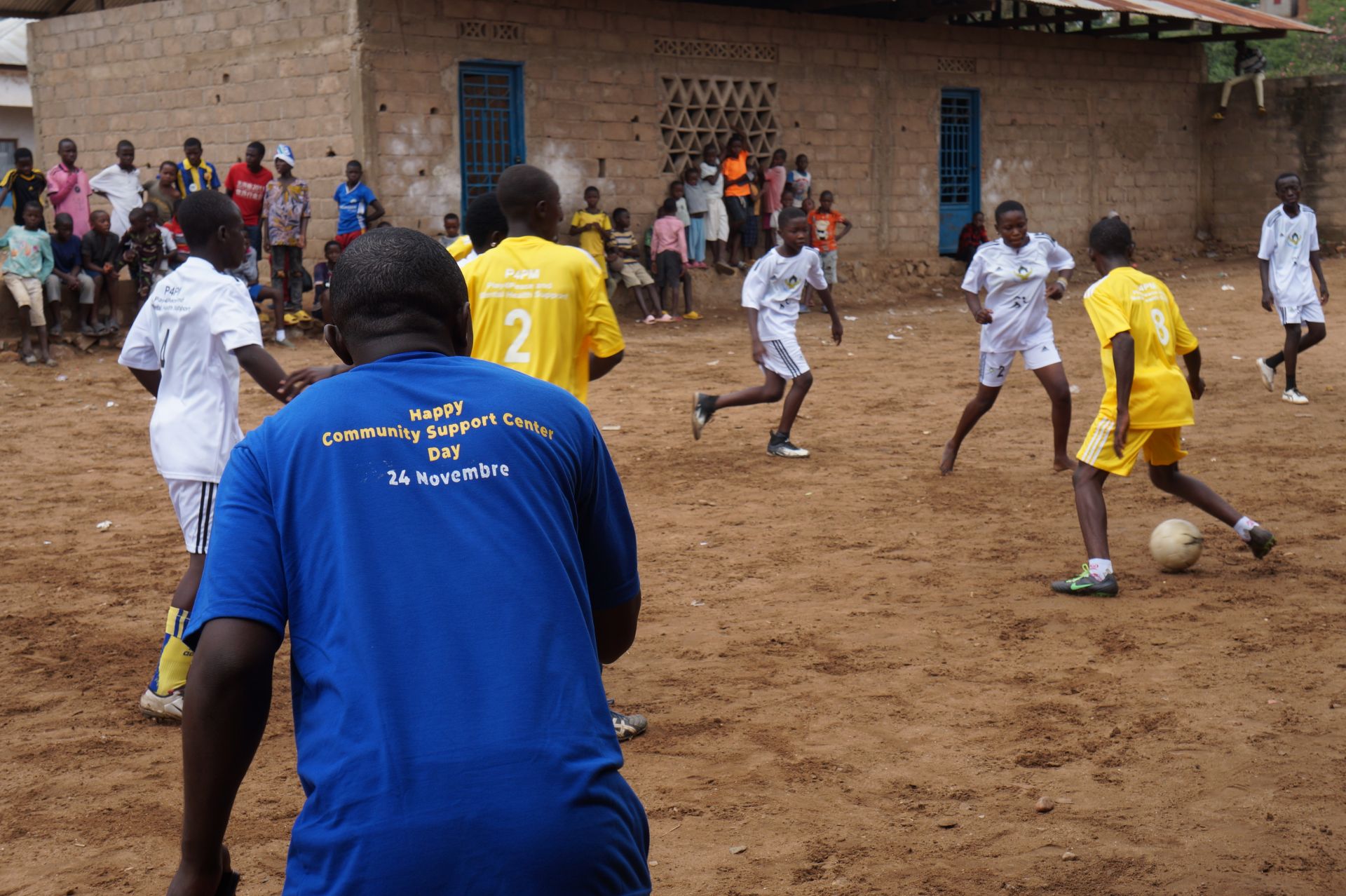
- Play4Peace and Mental Health Support (P4PM): Using sport, play and psychosocial support to promote wellbeing, inclusion, positive relationships and resilience among children and young people.
- Girls for Peace Leadership: Supporting girls and young women to strengthen confidence, leadership and participation in peacebuilding.
- Healing Circles: Creating supportive spaces for people affected by conflict to share experiences, build mutual support and work towards healing.
- Social Cohesion Circles: Encouraging dialogue, trust-building and cooperation among people and groups.
Together, these areas connect individual wellbeing with stronger relationships and collective action. They reflect a community-led vision in which healing and peacebuilding reinforce one another.
Learning from the process
Following the June dialogue sessions, feedback was collected from 27 respondents to reflect on participants’ experiences of the process, relationships, trust, collaboration and participation. This learning helps us understand what worked, what can be strengthened and how future activities can remain responsive to community priorities. For us, participation means more than attending a meeting. It means creating opportunities for people to influence decisions and ensuring that their ideas help shape the next steps.
Looking Ahead
The proposed Healing for Peace Phase II: From Community Vision to Community Action in Eastern DRC would build on the foundations established through H4P. Proposed priorities include strengthening a multi-stakeholder platform in Uvira, engaging a new cohort of internally displaced young women and girls while connecting them with participants from the first phase, supporting selected pilot initiatives developed through the dialogue process and continuing Healing and Social Cohesion Circles. Initial engagement in Fizi Territory is also proposed to introduce the approach, identify relevant actors and explore opportunities for future collaboration. The ambition is to help communities move from shared vision towards practical, locally led action, while strengthening the relationships and partnerships needed to sustain peacebuilding over time.
Partners and acknowledgements
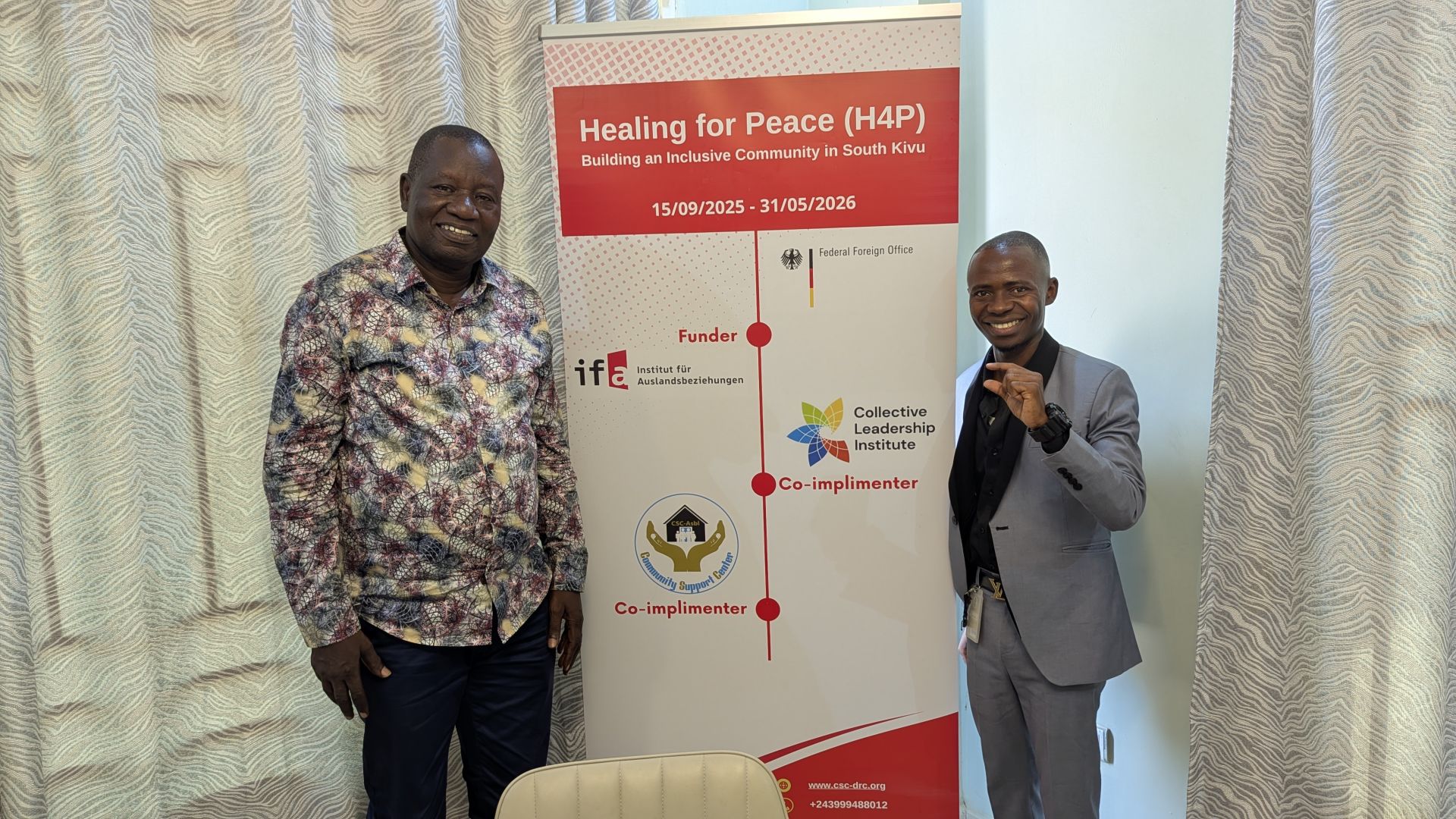
Healing for Peace is implemented by Community Support Center (CSC-Asbl) in partnership with the Collective Leadership Initiave (CLI), with support from ifa’s zivik Funding Programme and the German Federal Foreign Office. We are grateful to the displaced young women and girls, civil society organisations, youth representatives, public stakeholders and community members whose participation continues to shape this collective effort. This work contributes to SDG 16 by supporting inclusive dialogue, community participation and locally led peacebuilding. It also advances SDG 17 by strengthening partnerships among displaced young women and girls, civil society organisations, youth representatives and public stakeholders around shared priorities.
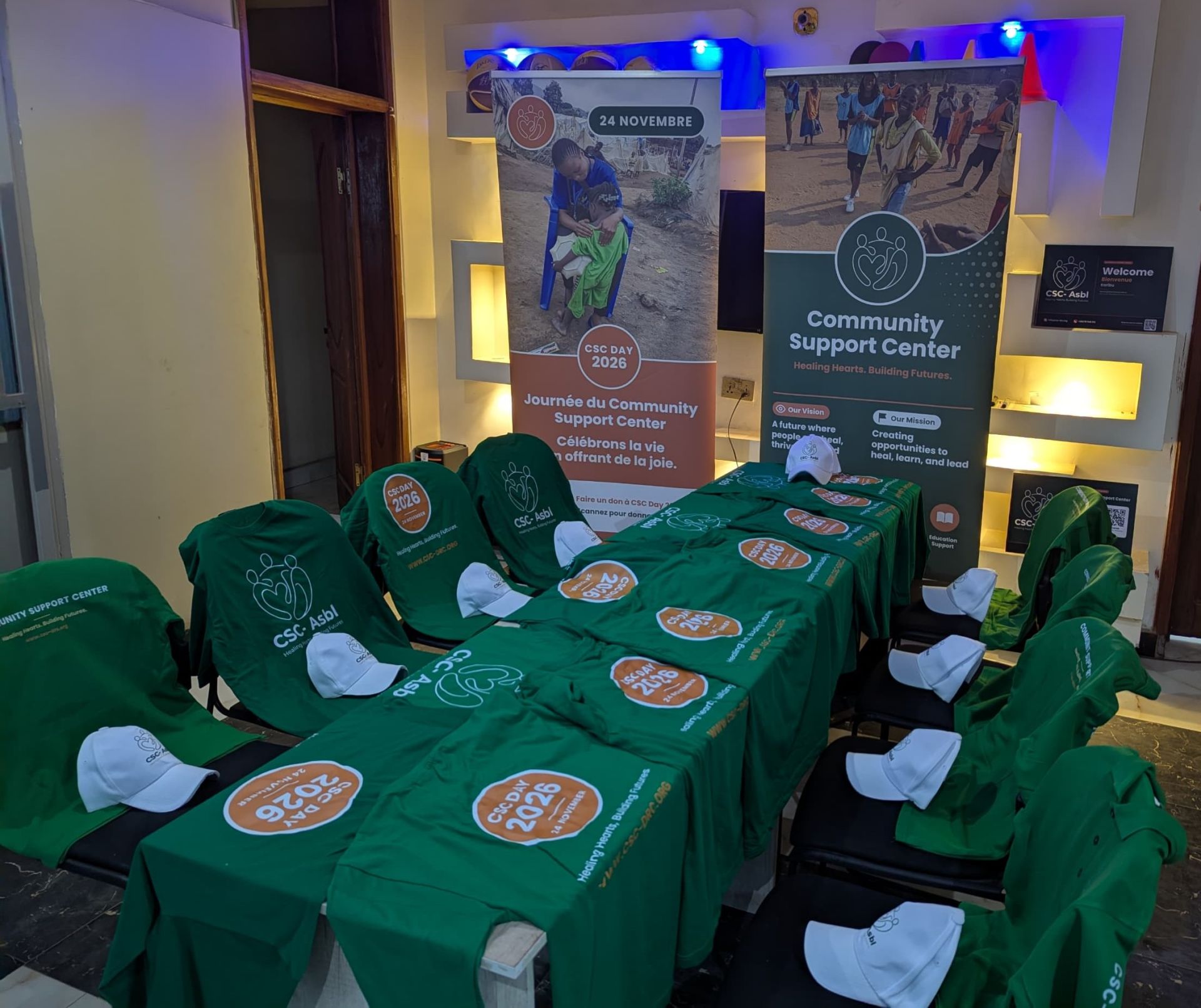
Healing Hearts, Building Futures
For us, Healing Hearts, Building Futures means creating spaces where people can heal, participate and lead—and where shared voices can become collective action for peace.